
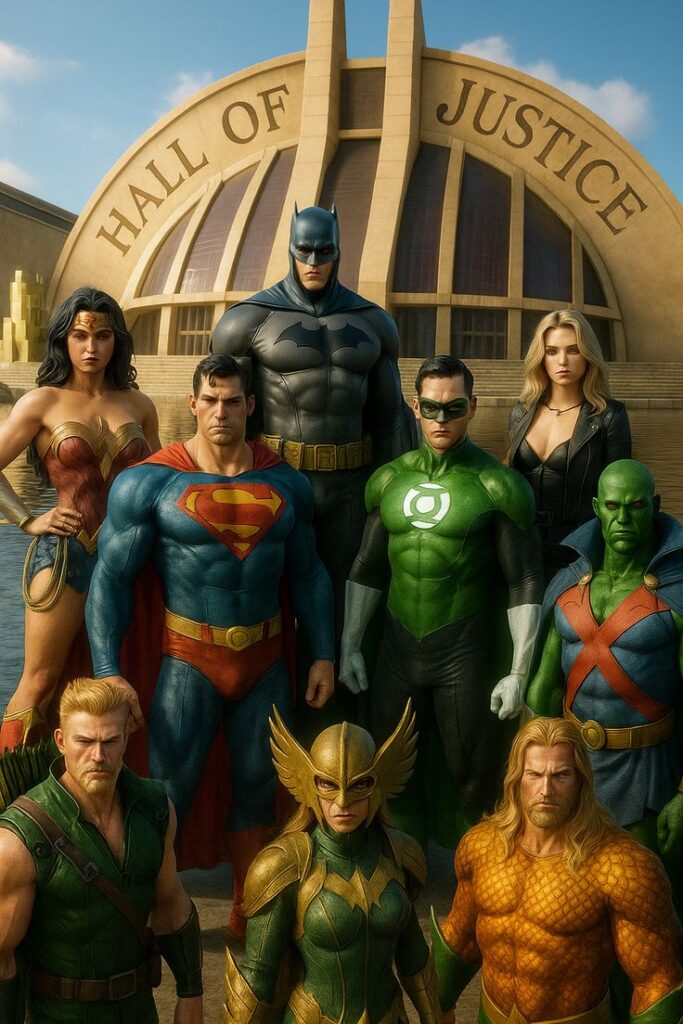
Superhero fatigue in Marvel and DC films has become a visible trend in the US, as once‑guaranteed hits now struggle to reach earlier box office heights. Slower ticket sales, lower excitement, and mixed reactions to recent movies and shows all point to American audiences feeling less urgency to watch every new cape‑and‑cowl release.
From Peak Hype to Slowing Momentum
For most of the 2010s, superhero films dominated US theaters, with Marvel’s Infinity Saga building enormous anticipation from Iron Man to Avengers: Endgame. During that period, each new release felt like a must‑see chapter, and the shared universe model kept American audiences returning multiple times a year.
After the pandemic, the landscape changed: overall box office softened, and the sense of “event” around many new Marvel and DC titles faded. As more superhero projects arrived in quick succession, it became harder for each one to stand out or feel essential to casual US moviegoers.
Too Much Content, Too Fast
One catalyst for fatigue was the surge of interconnected shows and movies arriving within a short span. Marvel expanded aggressively with multiple Disney+ series alongside theatrical films, turning what once felt like fun extra content into homework for viewers trying to keep up with continuity.
When audiences are asked to watch dozens of hours of story just to understand a new film, some simply opt out. This constant flow of releases reduced the novelty that earlier superhero movies enjoyed and made it easier for US fans to skip entries that did not look special.
Signs at the Box Office
Box office numbers offer concrete hints of superhero fatigue in the US market. While standout hits still appear, many recent Marvel films have earned less than earlier phases on average, and some underperformed expectations despite large budgets.
DC’s situation has been even more visible, with titles like Shazam! Fury of the Gods and other late‑DCEU releases failing to recapture the momentum of earlier hits. When expensive superhero projects struggle to turn big profits domestically, it signals waning enthusiasm among American theatergoers.
Familiar Formulas and Audience Expectations
Another factor is repetition: many superhero films rely on similar structures, tones, and third‑act CGI battles. After more than a decade, US audiences have grown more critical of stories that feel interchangeable or that repeat character arcs without fresh emotional stakes.
At the same time, viewers now compare every new release to high points like The Dark Knight or Avengers: Endgame, raising expectations for quality and originality. When a film delivers only a “standard” superhero experience, it can be perceived as a disappointment rather than just average entertainment.
Streaming, Competition, and Changing Habits
Streaming has also reshaped how Americans engage with superhero content. Many viewers now wait to watch Marvel and DC films at home on Disney+, Max, or other platforms instead of rushing to theaters, especially for mid‑tier entries.
Superhero projects now compete not only with each other but with a huge variety of genres on streaming, from true crime to prestige drama and reality TV. As tastes diversify, the idea that superhero stories automatically dominate attention has weakened in the US market.
Is the Genre Truly in Decline?
Fatigue does not mean total collapse; major superhero releases can still perform strongly when they offer emotional payoffs, fresh ideas, or beloved characters. Instead, the genre is shifting from “automatic blockbuster” status to a space where each project must justify its existence with distinctive storytelling or style.
Studios are responding by talking about fewer projects, more focused slates, and creative resets, especially on the DC side with new long‑term plans. Marvel has also signaled interest in slowing its output to rebuild anticipation and restore a sense of specialness around each release.
Conclusion
The rise of superhero fatigue in Marvel and DC films in the USA reflects a mix of oversaturation, familiar formulas, streaming competition, and changing audience expectations. Box office softness and franchise stumbles show that the genre can no longer rely purely on brand recognition or shared universes to succeed. Going forward, superhero movies that thrive in the US will likely be the ones that feel less like interchangeable chapters and more like bold, character‑driven events that truly earn audience attention