
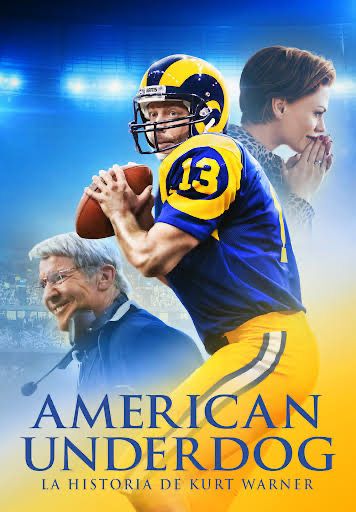
Independent movies in the USA have increasingly turned Oscar night into a stage for underdog victories, challenging the dominance of big studio productions. Low and mid‑budget films backed by small distributors or indie‑minded companies have shown that powerful stories can outshine massive marketing campaigns when it comes to awards recognition.
What Makes a Film “Indie” at the Oscars
In the American context, an indie Oscar contender is usually financed outside the traditional major studio system, often with modest budgets and creative control centered on the director or writer. These projects typically rely on festival buzz, critical acclaim, and targeted campaigns rather than huge advertising spends.
While some independent films partner with larger companies for distribution, their development and production often remain rooted in smaller outfits and risk‑taking producers. For the Academy, this combination of artistic vision and financial restraint has become increasingly appealing in categories like Best Picture, Screenplay, and Acting.
Small Budgets, Big Wins
Oscar history includes several US‑released independent films that turned limited resources into major awards success, proving that budget is not the main predictor of prestige. Titles such as Moonlight and Nomadland were produced for a few million dollars yet went on to claim Best Picture and multiple additional Oscars.
These underdog films often focus on intimate character studies, specific communities, or overlooked parts of American life, giving them a distinctive voice against more generalized studio fare. Their wins signal to the US industry that bold thematic choices and authentic perspectives can compete with spectacle when it comes to awards.
A24 and the New Indie Powerhouse
In recent years, New York–based company A24 has become a symbol of modern American indie success at the Oscars. The studio’s backing of films like Moonlight and Everything Everywhere All at Once led to sweeping wins, including multiple acting awards and Best Picture trophies.
A24’s strategy leans on curating distinctive, filmmaker‑driven projects and then building strong reputations through festivals, critics, and online fan communities. By combining edgy branding with serious awards campaigns, it has shown that an indie label can still compete head‑to‑head with major US studios and global streamers on Oscar night.
The 2020s: Indie Dominance on the Oscar Stage
The mid‑2020s have continued this trend, with independent films taking center stage at the Academy Awards. At the 97th Oscars, for example, indie productions such as Anora and Flow claimed top honors in categories including Best Picture and Best Animated Feature, outshining many higher‑budget competitors.
These films often operate with lean budgets—Anora was reported at around 6 million dollars—yet earn strong global grosses and critical praise, reinforcing the viability of indie storytelling in the US market. Their success underscores how the Academy’s preferences have evolved toward more diverse, daring, and formally inventive cinema.
Why American Audiences and Voters Embrace Underdogs
US viewers and Academy voters frequently respond to underdog narratives both on screen and off, making the journey of an indie film part of its appeal. Stories about marginalized communities, economic struggle, or personal reinvention resonate strongly when paired with the real‑world climb from small festival premieres to Oscar gold.
These movies also benefit from the changing distribution landscape, where streaming, specialty theaters, and word‑of‑mouth online help niche titles find national audiences without traditional blockbuster marketing. This visibility supports awards campaigns that once would have been impossible for small US‑based productions.
Conclusion
USA indie movies winning Oscars represent more than surprise victories; they mark a shift in what American cinema values at its highest level of recognition. Low‑budget, independently driven projects have shown that carefully crafted stories, diverse voices, and strong performances can rival or surpass studio epics in awards prestige. As distribution models evolve and audiences seek more personal, challenging films, underdog Oscar stories are likely to remain a defining feature of the modern American film landscape