
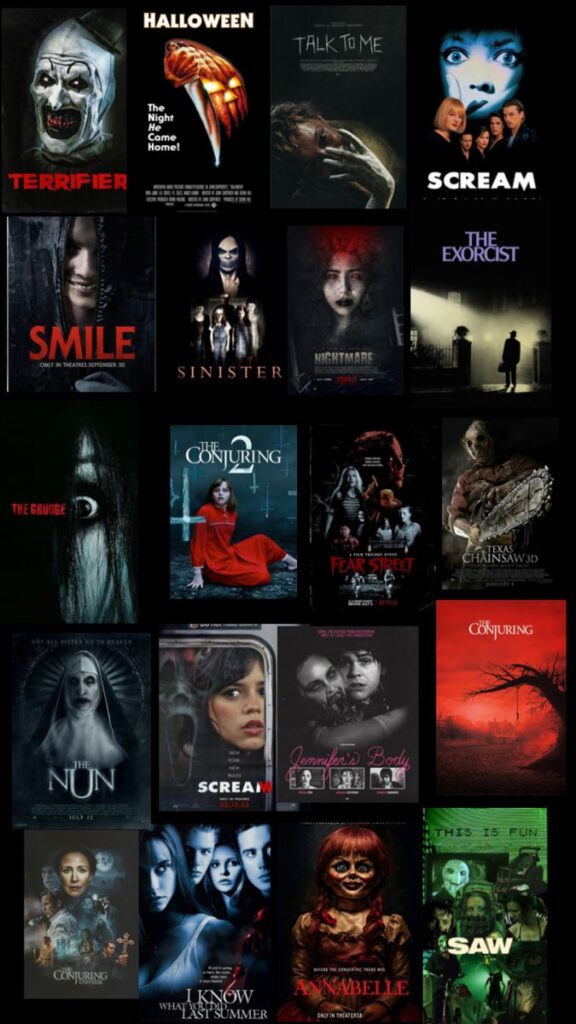
Horror is one of the most powerful forces in US theaters this year, filling release calendars, outperforming several superhero titles, and turning scares into reliable box office revenue. American audiences are responding to a mix of big franchises, original concepts, and socially aware storytelling that keeps the genre fresh.
Box Office Power and Frequency
In 2025, horror titles are appearing in US theaters more frequently than in many previous years, with multiple releases in prime calendar slots rather than just around Halloween. Films like Sinners, Last Rites, and Final Destination: Bloodlines have delivered strong domestic grosses and long theatrical runs, proving that horror can anchor the box office year‑round.
This volume means horror is no longer a niche presence but a core part of the US release strategy for major studios and specialty labels. The genre’s relatively modest production budgets also give it a strong profit margin compared with expensive superhero or action tentpoles that are now more vulnerable to underperformance.
Franchise Revivals and Sequels
One clear trend in US theaters is the revival of familiar horror franchises, updated for a new generation but rooted in existing fanbases. Final Destination: Bloodlines returned after more than a decade and quickly became the highest‑grossing entry in its series, signaling strong appetite for legacy brands when handled with fresh ideas.
Studios are also betting on sequels like M3GAN 2.0 and Five Nights at Freddy’s 2, which expand on recent hits by deepening lore and sharpening scares. These projects give American audiences a sense of continuity and event status, similar to superhero universes, but with lower risk and tighter budgets.
Elevated Horror and Social Anxiety
At the same time, so‑called “elevated horror” continues to draw US viewers who want more than jump scares, blending psychological depth with social commentary. Many current releases explore themes like technological paranoia, climate fear, economic insecurity, and cultural trauma, turning real‑world anxieties into metaphorical monsters.
Analyses of the 2025 boom highlight how horror provides a controlled way for anxious audiences to confront fear, offering catharsis in a safe environment. This makes the genre especially resonant in an era marked by pandemic memories, protests, and constant online tension.
Premium Formats and Event Experiences
Another trend dominating US theaters is the push to position horror as a full cinematic “event,” especially through IMAX and other premium large formats. Sinners, for example, earned a significant share of its domestic opening from IMAX screenings alone, showing that audiences will pay more for immersive horror experiences.
This strategy helps theaters differentiate the big‑screen outing from at‑home streaming, using sound design, large screens, and communal reactions to amplify scares. Horror’s visual intensity and jump‑scare rhythms translate well to these formats, encouraging repeat viewings and word‑of‑mouth buzz.
Synergy with Streaming and Fandom
Even as theatrical horror thrives, streaming platforms remain hungry for new scary content, creating a pipeline between cinemas and home viewing in the USA. Many theatrical hits later become streaming favorites, while smaller projects debut online and build reputations that can support future big‑screen releases.
Passionate horror fandom amplifies this ecosystem through social media, memes, and online communities that dissect trailers, endings, and Easter eggs. This organic promotion reduces marketing costs and turns genre releases into cultural talking points far beyond opening weekend.
Conclusion
Horror movie trends dominating US theaters this year combine box office strength, franchise revivals, socially aware storytelling, and premium theatrical experiences. The genre has proven more resilient than many superhero and blockbuster brands, thanks to lower budgets, loyal fan communities, and an ability to channel contemporary fears into gripping stories. As studios and exhibitors look ahead, horror stands at the center of American cinema’s strategy, shaping how audiences experience fear, community, and excitement in the dark.