
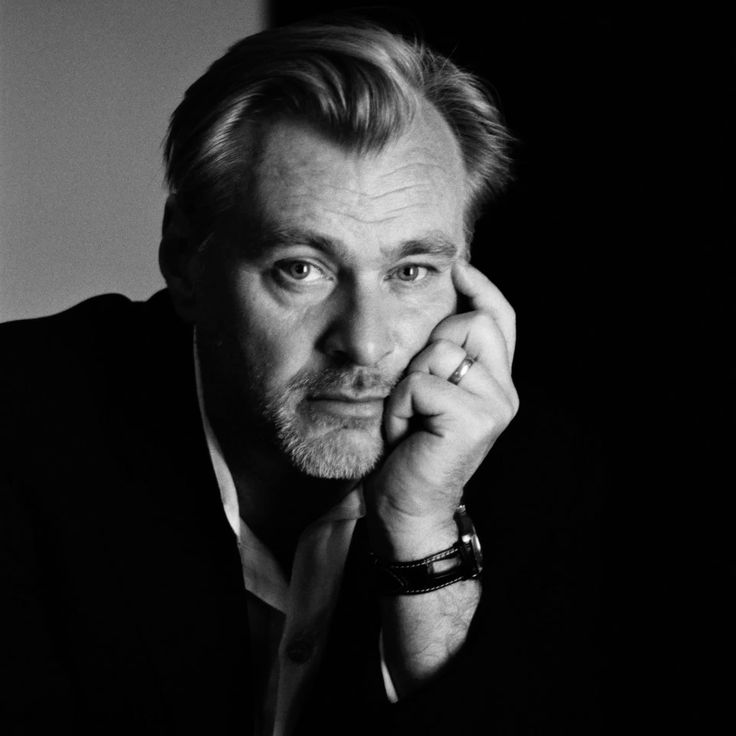
Iconic American directors have shaped not just Hollywood, but global ideas of what cinema can be, from Steven Spielberg’s emotional blockbusters to Christopher Nolan’s ambitious, reality‑bending epics. Their legacies connect generations of filmmakers and audiences, redefining storytelling, technology, and the business of movies in the USA.
Spielberg and the Modern Blockbuster
Steven Spielberg emerged in the 1970s as a central figure of “New Hollywood,” turning Jaws into one of the first modern summer blockbusters and changing how studios planned big releases. His films like E.T., Jurassic Park, and Saving Private Ryan proved that large‑scale spectacle could coexist with emotional, character‑driven storytelling that appealed to mainstream American audiences.
Beyond entertainment, Spielberg tackled serious themes such as the Holocaust in Schindler’s List and American slavery and politics in projects like The Color Purple, Amistad, and Lincoln. This mix of commercial success and historical storytelling helped position him as both a popular entertainer and an unofficial cinematic historian of the United States.
Technology, CGI, and American Spectacle
Spielberg played a major role in pushing Hollywood toward advanced visual effects and computer animation, especially with Jurassic Park and later Ready Player One. These projects showed US studios that believable digital creatures and worlds could carry big stories while still connecting with audiences emotionally.
His collaborations with effects houses helped normalize CGI as a core tool in American filmmaking, influencing later franchise giants and superhero universes. At the same time, his careful mix of practical effects and digital work created a template that many US directors still follow when balancing realism and spectacle.
Classic American Voices Before Them
Before Spielberg, Golden Age directors like John Ford, Frank Capra, Billy Wilder, and others laid foundations for American film language and genre storytelling. Ford’s work in Westerns, Capra’s populist dramas, and Wilder’s sharp comedies and noirs created visual and narrative traditions that later directors studied and reinterpreted.
These classic filmmakers personified different faces of American life on screen, from frontier myths to big‑city ambition and postwar anxiety. Their careers proved that directors could build long‑term identities and themes, encouraging future American filmmakers to think of their filmographies as coherent bodies of work rather than isolated projects.
Nolan’s Arrival and Reinvention of Blockbusters
Christopher Nolan, though British‑born, built his career and global reputation within the American studio system, becoming one of contemporary Hollywood’s most influential directors. Starting with Memento, he introduced mainstream audiences to complex, non‑linear narratives that challenged the usual structure of studio films.
With The Dark Knight trilogy, Inception, Interstellar, Dunkirk, and Oppenheimer, Nolan reimagined what a “blockbuster” could be in the US—intellectual, structurally bold, and technically demanding while still drawing huge audiences. His commitment to practical effects and large‑format film connected modern spectacle to earlier traditions of craftsmanship in American cinema.
The IMAX Era and Experiential Cinema
Nolan became one of the strongest advocates for shooting on film and using IMAX cameras extensively, starting with key sequences in The Dark Knight. This approach turned theatrical screenings into immersive events, encouraging American moviegoers to see certain films specifically in premium formats.
His large‑scale work on films like Dunkirk and Interstellar helped studios recognize that some projects could justify higher budgets and special presentation because of their technical ambition. As a result, Nolan influenced both audience expectations and studio strategies for “event cinema” in the USA.
A Shared Legacy in American Cinema
Directors from different eras—Ford and Wilder, Spielberg and Lucas, Nolan and his contemporaries—form a chain of influence in American film history. Each generation borrows tools from the last, whether it is genre conventions, visual techniques, or narrative experimentation, and adapts them to new cultural and technological realities.
Today, Spielberg’s blend of emotion and spectacle and Nolan’s fusion of complexity and scale define two powerful models for aspiring US‑based filmmakers. Their legacies continue to shape how American studios invest in stories, how directors imagine the cinematic experience, and how audiences understand the possibilities of film.
Conclusion
From Spielberg’s pioneering blockbusters and historical dramas to Nolan’s intellectually driven epics, iconic American directors have repeatedly redefined what mainstream cinema can be. Earlier masters built the foundations of genre and storytelling, while later filmmakers expanded the visual and narrative language with new technologies and structures. Together, their legacies show that American cinema evolves when directors take risks, embrace innovation, and still aim to connect deeply with audiences in theaters across the USA.